
Port Strikes Across Multiple Nations Trigger a Global Supply Chain Crisis
2026-02-03
Ports in the European Mediterranean region are facing the threat of large-scale strikes. Italy’s Unione Sindacale di Base (USB), a grassroots dockworkers’ union, has announced a 24-hour international general strike on February 6, 2026, which will involve maritime departments and port workers at all ports across Italy. Worse still, trade unions in Greece, Turkey and Morocco have confirmed joint strike actions on the same day. It is expected that at least 21 major ports in the Mediterranean region will participate, including key hubs such as the Port of Piraeus, Port of Bilbao, Port of Tangier and Port of Antalya. The trade unions have clearly stated that this strike is only the start of a new round of labor struggles, hinting at potential further actions in the future.
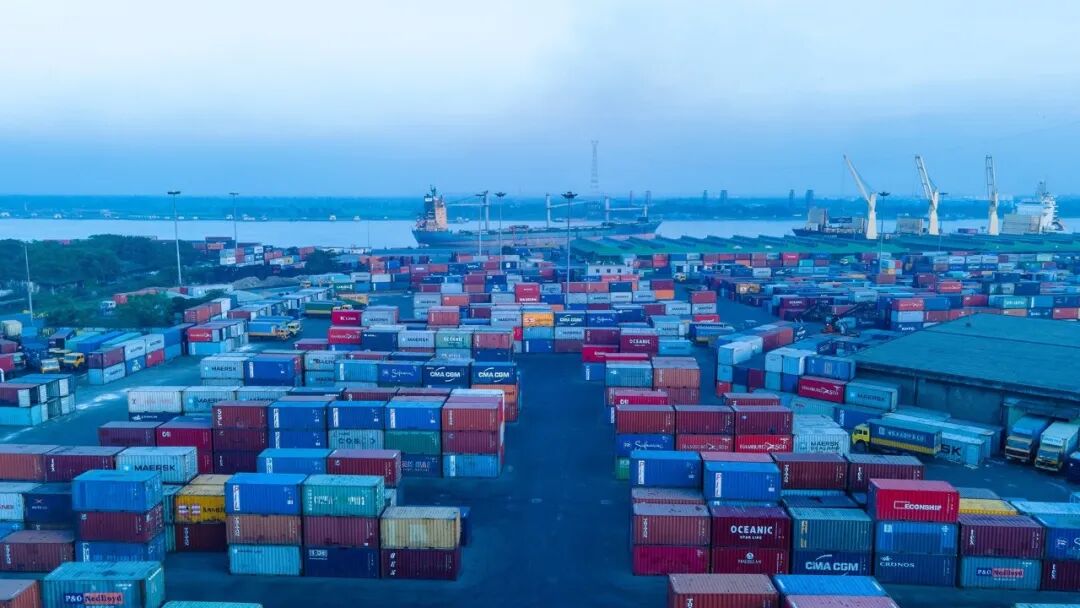
Meanwhile, the strike at the Port of Chittagong in Bangladesh has entered its fourth day. Since January 31, port workers have suspended operations from 08:00 to 16:00 local time every day in protest against the decision to lease the New Container Terminal (NCT). Specifically, the operating efficiency of the Chittagong Container Terminal (CCT) has dropped by 60%, the NCT only maintains basic operations, while general cargo berths have ground to a complete halt. More severely, inter-terminal transshipment services within the port area have been fully suspended and tractor trailer access in and out of the port has been disrupted, leading to a severe backlog of containers. It is estimated that the number of stranded containers at the port has now exceeded 5,000 TEUs, with approximately 800 TEUs of additional containers piling up each day.
These strike actions have dealt a severe blow to the global supply chain. For vessel operations, the average waiting time has increased by 1 to 2 days, some vessels have been forced to divert to other ports, and liner companies are expected to impose congestion surcharges. There has been a notable delay in cargo transportation: cargo on Mediterranean shipping lanes is projected to face delays of 3 to 5 days, and time-sensitive goods such as garments exported from Bangladesh have been particularly hard-hit. An economic impact assessment shows that as Bangladesh’s largest seaport handling approximately 90% of the country’s foreign trade, the ongoing strike at Chittagong Port may result in economic losses of over 50 million US dollars per day and deal a heavy blow to the country’s pillar garment manufacturing industry.
Faced with this crisis, relevant enterprises need to take urgent measures. It is recommended to immediately contact carriers to confirm contingency plans, consider diverting cargo to alternative ports in India, Sri Lanka and other countries, and purchase transit delay insurance for high-value cargo. For mid-to-long term planning, enterprises should establish multi-port transportation schemes, strengthen emergency communication mechanisms with logistics providers, and closely monitor the progress of negotiations between trade unions and port authorities. Special vigilance is required: a new wave of strikes is expected after February 6, so enterprises are advised to adjust shipping schedules for mid-to-late February in advance and set aside contingency budgets for potential supply chain disruptions. Industry experts point out that the simultaneous port strikes across multiple nations may emerge as the biggest challenge facing the global logistics industry in 2026.
END
DISCLAIMER:The content of this article is for informational purposes only. The final conclusion shall be subject to the provisions of relevant laws and the rulings of local administrative authorities. In case of any dynamic adjustments, the official interpretations and announcements released by competent authorities at home and abroad shall prevail. This article is sourced from platforms such as the Maritime Shipping Network. All images are sourced from the internet. If there is any infringement or question regarding copyright, please contact us via email at admin@mbs-gz.com. We will delete the relevant content as soon as possible. Thank you.
Recent news
View all news
EU ICS2 new regulations fully implemented
The EU’s second-generation Import Control System (ICS2) will be fully and mandatorily implemented on September 30, 2026.
Learn more> >
Fire Erupts at DG Yard of Jakarta Port
Fire at Jakarta Port DG Yard, 52 Containers Damaged
Learn more> >
New Dangerous Goods Export Regulation Takes Effect at Shanghai Port, China in September
The new maritime inspection rule for dangerous goods exports is firstly enforced at Waigaoqiao Terminal of Shanghai Port, China. The audit basis shifts from UN code verification to full cargo name filing.
Learn more> >
MBS丨Focusing on Chemical Logistics, Connecting with New Industry Opportunities
MBS participated in the 23rd China International Chemical Industry Fair (ICIF China 2026).
Learn more> >Consultation & Suggestions
If you have logistics consulting or cooperation intention, please leave your message here,
or put forward your valuable comments or suggestions, we will contact you at the first time.